
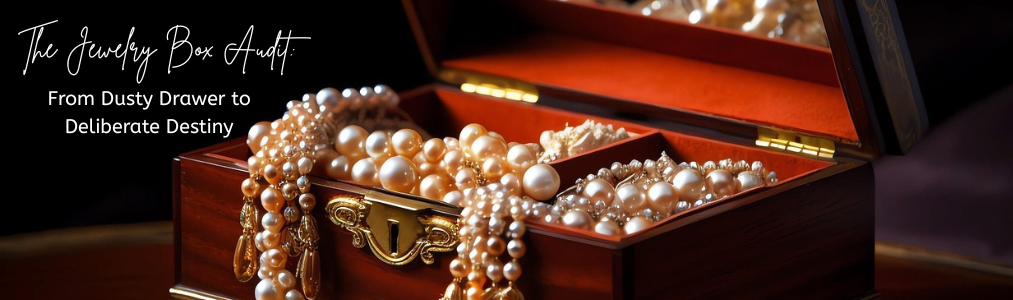
Estate planning often overlooks the jewelry box, your treasure trove of sentiment, sparkle, and surprising value. A “jewelry box audit” helps you sort heirlooms wisely: rediscover cherished pieces, decide what to gift for others’ joy, sell for financial gain, or donate for tax benefits. Embracing the process prevents accumulated clutter, maximizes worth, and ensures your legacy aligns with your wishes. Start by inventorying everything, then apply the four-bucket test to categorize. With gold prices fluctuating and gems like pearls trending down, regular audits keep things current. Thoughtful decisions about what to do with your bejeweled treasures ensure your pieces rise from the dusty depths to a meaningful destiny.
Starting Your Inventory
Work with purpose. Begin by gathering your collection, retrieving valuables from each secured location, including a safe or bank deposit boxes. If you have a sizable collection, consider splitting the effort over multiple days. Lay out rings, necklaces, bracelets, watches, and brooches on a flat, clean, dry surface. Photograph each item from various angles, capturing details such as metal purity, Maker’s markings, condition, and provenance (e.g., “Grandma’s 1920s emerald necklace from Paris”). Use a spreadsheet to log descriptions, estimated values, and stories. This visual record aids appraisals and family discussions and helps avoid disputes later. If pieces are dirty or in need of repair, gently clean them to restore their appearance, or drop them off at a qualified jeweler for repairs.
Appraising Your Items and the Four-Bucket Test
Sort your pieces into four buckets: “keep,” “gift,” “sell,” and “donate” based on simple questions: Do I want to keep it? Does one heir clearly love it? Does after-tax cash outweigh sentiment? Do deductions beat keeping it?
For pieces of considerable value, have them appraised by a GIA-certified gemologist for stones and jewelry, or a watch specialist for timepieces. Appraisals verify authenticity and reflect elements that impact an item’s value. The report provides clarity about your jewelry’s current value, whether you decide to keep the piece and have it insured, or donate it and document its value for tax purposes. Currently, vintage gold fetches higher prices amid market highs, while pearls command lower valuations due to current fashion trends and preferences, making them less desirable. Aim for an IRS-qualified report, especially for donations over $500, as it supports fair market value (FMV) claims. An item or collection valued at over $5,000 requires Form 8283 for non-cash charitable contributions.
Here are the buckets you’ll need to consider when evaluating your jewelry box’s contents.
- Keep Bucket:
Identify the pieces you wish to keep and return them to your jewelry box. Have them appraised for insurance purposes to confirm you’re adequately covered. - Gift Bucket:
Prioritize pieces with emotional ties. Ask children or grandchildren: “Do you want this specific ring?” Use the 2026 annual gift exclusion ($19,000 per recipient) to transfer gifts tax-free. File a deed of gift and note the carryover basis to avoid surprises. This bucket preserves family bonds without estate taxes. - Sell Bucket:
If selling trumps nostalgia, sell via auction houses, dealers, or online gold buyers. Pay capital gains on profits (appraisal sets basis), then take your proceeds and utilize it toward something that brings more joy and sparkle in your life—research reputable sites for gold melt-down value to ensure fair deals. - Donate Bucket:
For tax wins, give to museums or charities. Claim full FMV deduction (up to 30% of AGI). Use Form 8283 for items over $5,000; charitable organizations like jewelryforgood.org can simplify the process. This clears space while supporting causes, potentially yielding bigger deductions than selling post-tax.
Documentation and Insurance
Scan appraisals, purchase records (if still available), and photos kept digitally in a folder on your computer or in the Cloud. Create an easy, one-page “who got what” letter for heirs to avoid confusion after your passing. If you’re gifting your pieces to your heirs, reassess insurance coverage yearly if values rise (e.g., diamonds up) or fall (pearls down), and update policies to reflect current appraisals.
Make It an Annual Habit
Repeat this audit yearly. New gifts arrive, markets shift, family dynamics change, and so, too, will the contents of your jewelry box. Involve your heirs—do they want specific piece(s) or have the entire collection donated? This keeps your box curated and your plan fresh. By revisiting your jewelry box annually with intention and open family conversations, you ensure that every sparkling piece continues to reflect your values, whether preserved as cherished heirlooms, converted to financial freedom, or shared for the greater good.
At Organized Instincts, our daily money managers specialize in estate audits, appraisal coordination, and legacy documentation. Contact us today to optimize your jewelry collection and protect your family heirlooms.